
How to Launch Your First Influencer Campaign: A Step-by-Step Checklist
A simple 7-step checklist for brands launching their first influencer marketing campaign: set a goal, know your audience, budget realistically, pick the right creators, reach out, and track results.
- Published
- 7 min read
In 2012, a 19-year-old named Ben Francis was a college student by day and a pizza delivery driver by night. He was obsessed with fitness, but he couldn't find gym clothes that he genuinely liked.
So, he started a small clothing brand called Gymshark.
He didn't have the budget to compete with established athletic brands or pay celebrity athletes for endorsements. Instead, he looked at the fitness creators he followed on YouTube.
These creators weren't celebrities, but thousands of people watched their videos, trusted their recommendations, and followed their every upload.
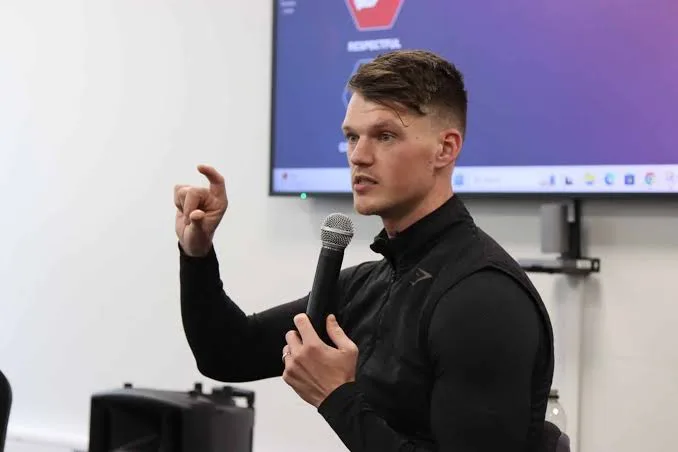
Ben realized something powerful: people trusted these creators because they had built real relationships with their audiences.
So, he started sending free hand-stitched tracksuits to rising fitness creators like Lex Griffin, Chris Lavado, and Matt Ogus. There were no contracts, no posting schedules, and no sponsorship fees.
He simply hoped they would like the products enough to wear them on camera.
They did.
Thousands of viewers noticed the clothes, conversations started, orders came in, and Gymshark began to grow.
Today, Gymshark is valued at approximately £1.25 billion.
Now imagine yourself a few months from now.
You have the same small budget and the same ambition, but this time a creator is talking about your product. Their audience is asking, "Where can I buy this?" People are visiting your website, discovering your brand, and sharing your content.
That could be your business.
The only thing standing in the way is knowing where to start.
So, here's a simple influencer marketing checklist to help you launch your first influencer campaign.
1. Know What You Want to Achieve
This is the step most brands skip.
Many businesses say they want "more exposure" or "brand awareness," but that's too vague to measure.
Before launching an influencer marketing campaign, pick one primary goal and connect it to a metric you can track.
Awareness
You want more people to discover your brand.
Track:
- Reach
- Video views
- Profile visits
- Follower growth
Engagement
You want people interacting with your content.
Track:
- Comments
- Shares
- Saves
(Shares and saves often indicate stronger interest than likes.)
Traffic
You want people visiting your website.
Track:
- Link clicks
- Website sessions
- Landing page visits
Sales or Sign-ups
You want people to take action.
Track:
- Purchases
- Promotional code usage
- Newsletter sign-ups
- Free trial registrations
One campaign, one primary goal. Keep it simple.
2. Know Exactly Who You're Targeting
Even the biggest creator won't help if their audience isn't your audience.
Before you start searching for influencers, build a quick customer profile.
Who Are They?
- Age
- Gender
- Location
- Interests
What Do They Need?
- What problem are they trying to solve?
- How does your product help?
What Content Do They Consume?
- TikTok
- YouTube
- Podcasts
- Newsletters
What Do They Trust?
- Product reviews
- Tutorials
- "Day in the Life" content
- Expert opinions
- Honest rants and personal experiences
The better you understand your audience, the easier it becomes to find creators who actually influence them.
3. Set a Realistic Campaign Budget
Ben Francis started with almost no budget.
You don't need a huge budget to start influencer marketing, but you do need a realistic one.
Break your budget into categories:
- Creator fees
- Product costs
- Shipping expenses
- Content usage rights
- Emergency expenses
Keep a small reserve for unexpected costs.
If you're running your first campaign, it's often smarter to work with 3-4 smaller creators rather than spending your entire budget on one larger influencer.
This gives you more content, more audience testing, and less risk.
4. Pick the Right Size of Creator
Not every campaign needs a creator with millions of followers.
In fact, smaller creators often produce better results for first-time campaigns.
Nano Creators
1K-10K followers
- Highly engaged audiences
- Affordable partnerships
- Strong trust levels
Micro Creators
10K-100K followers
- Excellent audience relationships
- Strong engagement rates
- Ideal for growing brands
Mid-Tier Creators
100K-500K followers
- Greater reach
- Higher costs
- Good balance of influence and scale
Macro Creators
500K+ followers
- Massive reach
- Premium pricing
- Best suited for larger campaign budgets
For your first influencer marketing campaign, nano and micro creators are usually the best place to start.
5. Find the Right Creators
Finding creators is not about follower count.
It's about finding creators whose audience matches your target audience.
When evaluating creators, look at:
- Audience fit
- Engagement rate
- Posting consistency
- Content quality
- Previous sponsored posts
- Brand safety
- Authenticity
Watch a few of their videos, read comments, and see how their audience responds.
This is where many brands spend hours scrolling through social media platforms.
A creator discovery platform like Katalisia can speed up this process significantly by helping you search, filter, compare, and manage influencers from one place instead of manually researching every profile.
6. Reach Out to Creators
Creators receive dozens, sometimes hundreds, of partnership requests.
Your message should feel human.
Keep it short and personal.
A good outreach message should include:
- A specific post you liked
- A quick introduction to your brand
- What you're offering
- Why you think they're a good fit
- A simple call to action
If you don't hear back, follow up once after 5-7 days.
Make Creator Outreach Easier with Katalisia
Instead of managing conversations across Instagram DMs, emails, spreadsheets, and notes, Katalisia helps you discover creators, track conversations, and manage influencer outreach in one place.
Start your first influencer campaign with Katalisia
Once a creator agrees to collaborate, send a simple one-page campaign brief.
Include:
- Campaign objective
- Main message
- Product details
- Website link
- Discount codes
- Account tags
- Deliverables
- Deadlines
- FTC or advertising disclosure requirements
- Things to avoid (competitor mentions, unsupported claims, etc.)
7. Make It Official and Set Up Tracking
This is the step many brands regret skipping.
Set up tracking before any content goes live.
Give every creator:
- A unique tracking link
- A unique discount code
- Custom UTM parameters
Then create a simple spreadsheet to track:
- Creator name
- Platform
- Content status
- Link clicks
- Sales generated
- Engagement metrics
- Campaign cost
Good tracking tells you exactly which creators are driving results and which partnerships are worth repeating.
Your First Influencer Campaign Doesn't Have to Be Complicated
Gymshark didn't become a billion-pound brand overnight.
It started with a founder who found a few creators his audience trusted and gave them a product they genuinely wanted to use.
That's still the foundation of successful influencer marketing today.
You don't need celebrity endorsements. You don't need a massive budget. And you don't need a huge marketing team.
You simply need the right creators, a clear goal, and a system to manage your campaign.
That's exactly where Katalisia helps.
From creator discovery and influencer outreach to campaign management and performance tracking, Katalisia gives you everything you need to launch, manage, and scale influencer marketing campaigns from one platform.
Stop spending hours searching, messaging, and tracking creators manually.
Start your first influencer campaign with Katalisia today
Turn creator partnerships into measurable business growth. Find creators. Launch campaigns. Track results. All with Katalisia.
Start Your CampaignMarketing Executive at Katalisia.